You’re posting on LinkedIn five times a day, your Customer Acquisition Cost (CAC) is higher than your rent, and you’re still losing deals to a competitor whose website looks like a 2015 time capsule. Welcome to the uncomfortable truth: being the loudest brand in the room doesn’t mean you’re the best. Usually, it just means you’re the most exhausted.
For a founder, equating visibility with revenue is a dangerously easy trap to fall into. You see a competitor running a massive ad campaign or going viral on TikTok, and panic sets in. Reactively, you start throwing your hard-earned runway at random ads, begging your team to produce more Reels, and praying the algorithm takes pity on you.
Here is the reality check: Attention is cheap. Trust is expensive.
The most profitable brands in 2026 aren’t screaming into the void. They are quietly building invisible marketing machines, capturing demand efficiently, and turning one-time buyers into lifelong cash flows.
Here is why the best brands aren’t always the most visible—and how you can stop chasing impressions and start driving true ROI.
The “Screaming into the Void” Trap
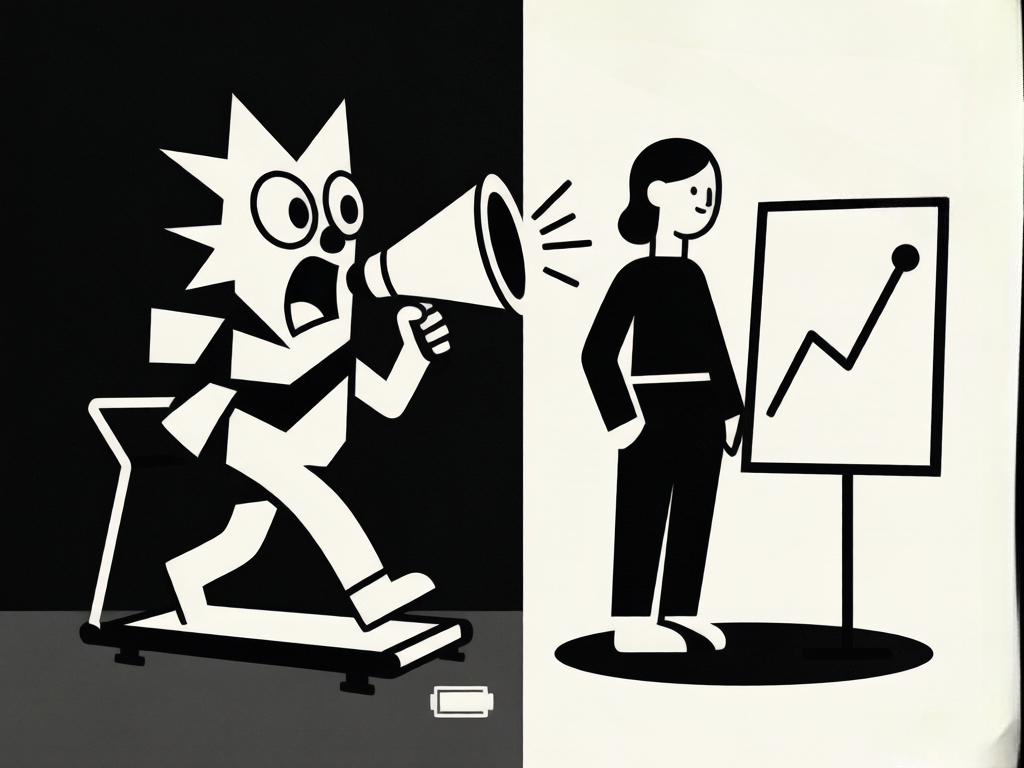
Social platforms are engineered to make you feel inadequate. They reward relentless frequency: if you stop posting, your reach drops. If you pause your ads, your traffic vanishes.
But pouring capital into top-of-funnel visibility when your underlying strategy is broken is like pouring premium fuel into a car without an engine. You’re just setting money on fire to enjoy the temporary warmth.
When founders focus purely on visibility, they create a toxic cycle:
- A Skyrocketing CAC: You pay a premium to reach audiences who do not care, do not need your product, and will never buy it.
- A Leaky Funnel: You drive 10,000 visitors to a landing page that converts at an abysmal 0.1% because your messaging is clear as mud.
- Team Burnout: Your staff is perpetually exhausted from churning out empty “content” that drives zero actual pipeline.
Mental Availability > Mere Impressions
The most successful brands operate on a psychological concept called “mental availability.” They don’t need to be in your face 24/7. They simply need to be the absolute easiest, most instinctive choice the exact moment a buyer realizes they have a problem.
Ask yourself: If your brand disappeared tomorrow, would your customers actively search for you, or would they just click the next sponsored link?
If it’s the latter, you don’t have a brand. You have a temporary traffic rental agreement.
Why Quiet Brands Are Actually Winning
The companies quietly dominating your space aren’t performing magic. They are simply executing the fundamentals flawlessly while everyone else is distracted by shiny new tactics.
Instead of chasing likes, they focus on three core pillars:
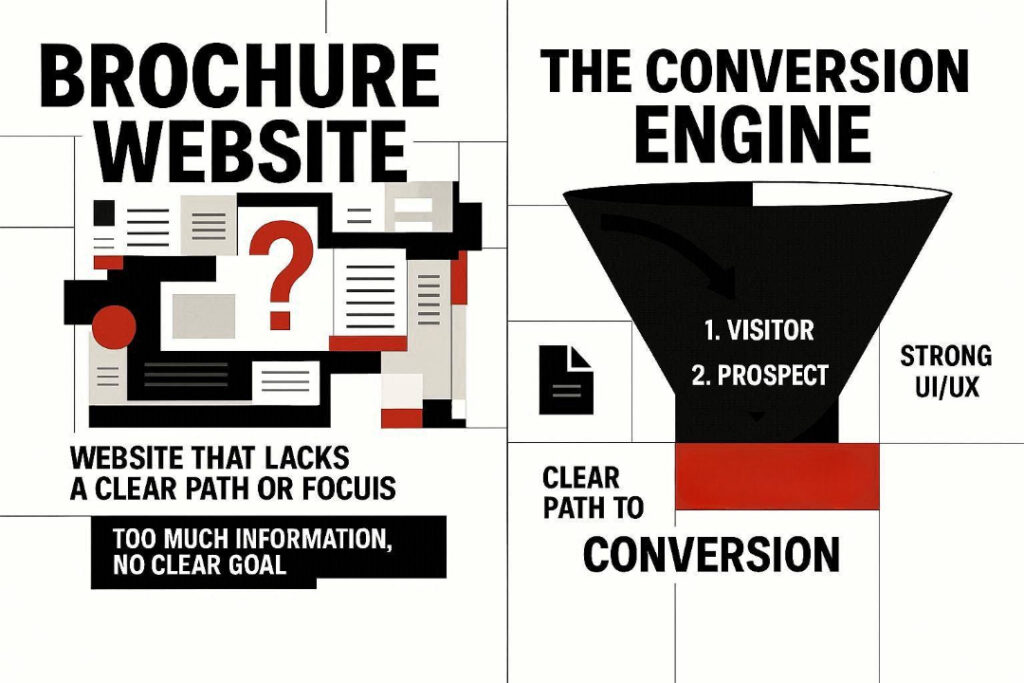
- Optimizing for Frictionless Buying: Their website isn’t a digital brochure; it’s a conversion engine. They have ruthlessly stripped out unnecessary form fields, confusing jargon, and slow-loading media.
- Maintaining a Razor-Sharp ICP (Ideal Customer Profile): They know exactly who holds the purchasing power. They don’t waste budget showing ads to 20-year-old college students when their actual buyer is a 45-year-old VP of Finance. They are invisible to the masses, but omnipresent to the people holding the credit cards.
- Building “Invisible” Marketing: Their systems are deeply integrated. You read a high-value blog post (SEO), get retargeted with a hyper-relevant case study (PPC), and receive an automated follow-up sequence (Email) that feels like a personal note from the founder. It doesn’t feel like marketing; it feels like serendipity.
How to Stop Chasing Likes and Start Driving Revenue
If you want to transition from a loud, chaotic startup to a quietly profitable machine, you must stop committing random acts of marketing and start building a deliberate system.
Here is your immediate game plan:
1. Fix the Leaks in Your Funnel
Before you spend another dime on ads or organic content, audit your user journey. Where are people dropping off? If your click-through rate on ads is high but your conversion rate is flatlining, your visibility is fine—your offer or landing page is the bottleneck. Patch the holes before you turn the hose back on.
2. Own a Specific Feeling (Positioning)
Stop sounding like every other SaaS or e-commerce brand. If your homepage says something like, “Empowering next-generation solutions for scalable growth,” I am personally coming over to unplug your router. Speak plainly. Tell the customer exactly how you solve their painful, expensive problem so they will actually listen.
3. Focus on LTV, Not Just CAC Visibility only gets a customer in the door. The best brands focus aggressively on Lifetime Value (LTV). They invest in onboarding, customer success, and product marketing so that once a customer is acquired, they never leave. When your LTV is high, you can afford to spend strategically on acquisition without sweating every single ad click.
Stop Committing Random Acts of Marketing
You don’t need a 22-year-old social media guru to make you point at floating text on an insta reel. You don’t need an agency that measures success in “brand lift” and “impressions.”
You need a strategy that ties every rupee spent directly to pipeline and revenue. You need an expert who can audit your chaotic tech stack, trim your bloated ad budget, clarify your confused positioning, and engineer it all into a streamlined, high-ROI machine.
If you are tired of playing the visibility game and want to start playing the revenue game, it’s time to bring in some heavy artillery. Stop guessing, stop burning runway, be deliberate and hire someone who can build the invisible marketing engine your company actually needs.